Rose
Rosa spp.
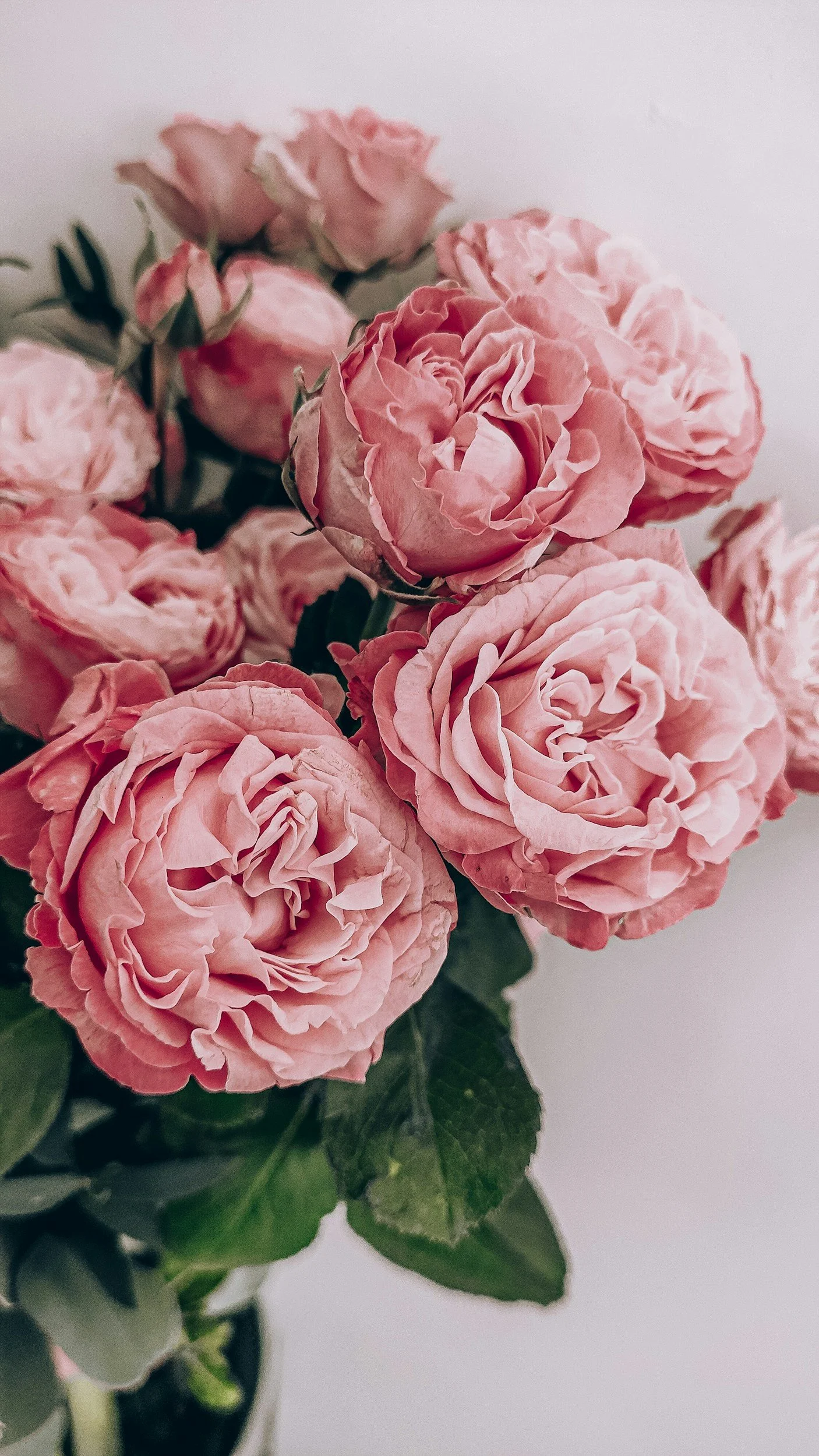
Rose has been cherished in beauty rituals for centuries, not only for its fragrance but for its remarkable affinity with the skin. Rich in antioxidants, flavonoids, and naturally occurring sugars, rose helps support hydration, comfort, and the appearance of a healthy complexion. Gentle and versatile, it is especially beloved for dry, sensitive, and mature skin.
Best For
Dry skin
Sensitive or reactive skin
Mature skin
Temporary redness
Dull or dehydrated complexions
Why Skin Loves Rose
Rose petals contain naturally occurring polyphenols, flavonoids, anthocyanins, and sugars that help protect against environmental stress while providing a softening effect on the skin.
Unlike active exfoliating herbs, rose is considered nurturing and restorative. It brings comfort and hydration to formulations and helps create treatments that feel luxurious without overwhelming the skin.
Naturally Rich In
Polyphenols – antioxidant compounds that help defend against oxidative stress.
Flavonoids – plant compounds known for their protective and soothing properties.
Anthocyanins – pigments that contribute antioxidant support.
Natural sugars and mucilage – help create softness and hydration.
Skin Barrier + pH Notes
Healthy skin maintains a slightly acidic surface known as the acid mantle, generally between pH 4.5–5.5. This environment supports barrier function and helps maintain microbial balance.
Rose is naturally gentle and well tolerated by many skin types. In fresh botanical preparations, rose supports hydration and comfort without disrupting the skin's natural balance.
Because rose is often combined with water-based ingredients like hydrosols or honey, it creates masks and cleansers that feel soft, replenishing, and barrier-friendly.
Botanical Actions
Hydrating
Rose helps draw softness and moisture to the skin, making it especially valuable in treatments for dryness or dehydration.
Antioxidant Support
The abundant plant compounds in rose help protect against environmental stressors that contribute to premature aging.
Comforting
Rose is traditionally used to calm the appearance of temporary redness and support sensitive skin.
Complexion Enhancing
Its gentle nature helps promote a fresh, radiant appearance without exfoliating or stripping.
Traditional Uses
Rose has been used throughout Persian, Ayurvedic, Greek, and European herbal traditions for centuries. Historically, rose petals and rose waters were incorporated into beauty rituals to cool, refresh, and soften the skin.
In Ayurveda, rose is considered energetically cooling and is often chosen to balance heat and excess sensitivity.
How to Use
Mix rose powder with:
Hydrosol
Honey
Yogurt
Clay
Facial oil
Oat or marshmallow root
Rose petals can also be infused into oils, added to baths, or used in herbal steams.
Pairs Well With
✿ Marshmallow Root — for hydration and slip
✿ Oat — for barrier support and softness
✿ Chamomile — for sensitive skin
✿ Hibiscus — for radiance and brightness
✿ Lavender — for calming treatments
Esthetician Note
Rose is one of the most universally loved herbs in botanical skincare because it offers support without aggression. It is especially beautiful in treatments designed to replenish, nourish, and comfort skin that feels depleted or stressed.
Caution
Although rose is generally well tolerated, individuals with known plant allergies should patch test before use.
Botanical Name
Rosa damascena, Rosa centifolia, and other Rosa species
Plant Part Used
Petals
Energetics
Cooling • Moistening • Heart Opening
Aroma
Soft • Floral • Sweet
Found In
Rose Treatment Herb ✿
Pairs beautifully with Bloom Floral Mist ✿
Field Note
"Rose teaches us that softness is not weakness. In nature, tenderness and resilience often grow side by side."