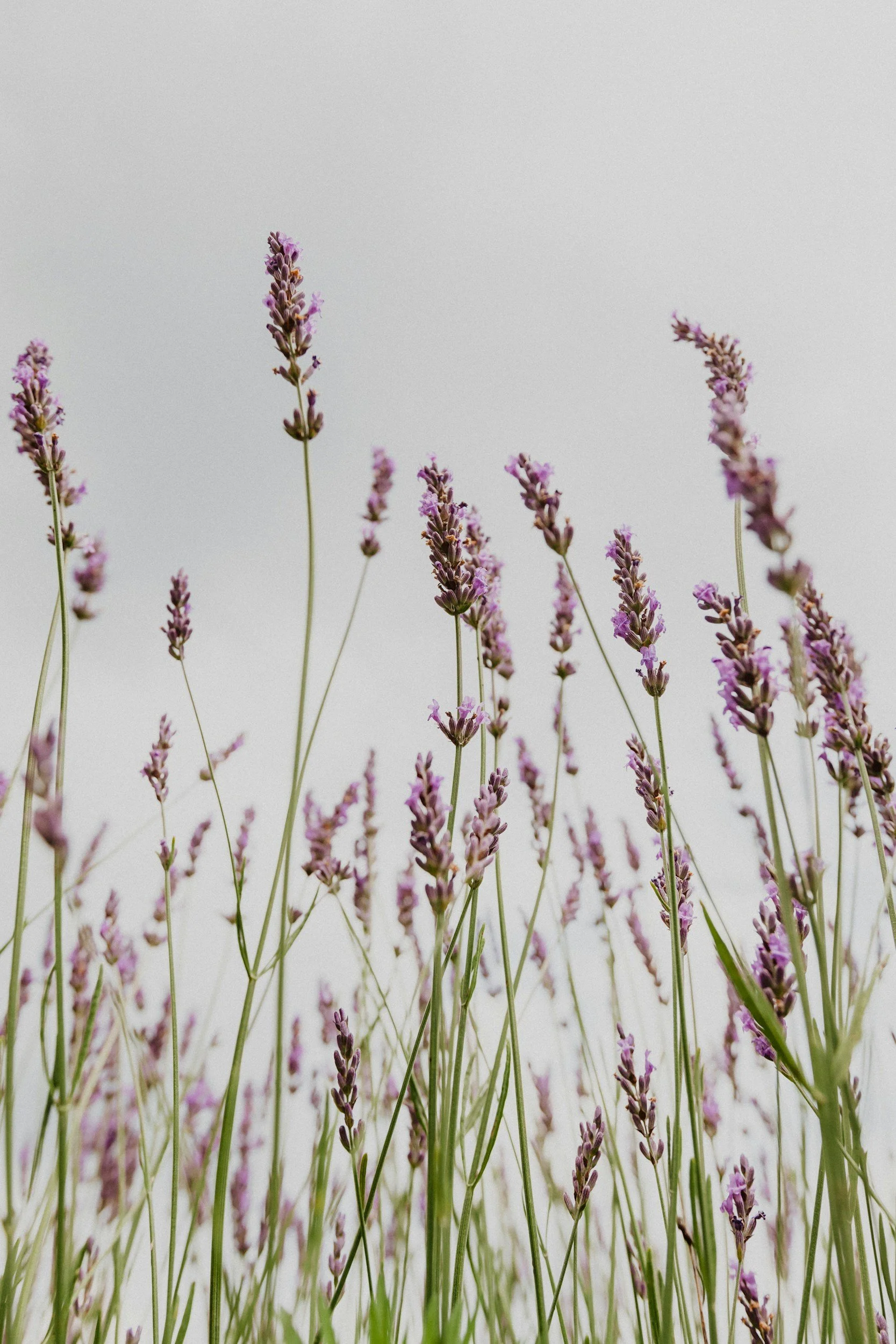
Lavender
Lavandula angustifolia
Lavender is one of the most beloved herbs in botanical skincare for good reason. Beyond its familiar aroma, lavender contains naturally occurring compounds that have been studied for their antioxidant and soothing properties. Traditionally used for both skin and emotional wellbeing, lavender brings balance, softness, and calm to a formulation.
Best For
Sensitive skin
Reactive or redness-prone skin
Dry or combination skin
Stressed or fatigued-looking skin
Evening rituals and calming treatments
Why Skin Loves Lavender
Lavender flowers contain naturally occurring flavonoids, polyphenols, and volatile aromatic compounds that contribute to their antioxidant and comforting qualities.
In herbal skincare, lavender is valued less for aggressive correction and more for creating a sense of balance. It is often included in formulas designed to soothe the appearance of temporary redness, support a healthy skin barrier, and bring comfort to skin that feels stressed or overworked.
Naturally Rich In
Flavonoids – plant antioxidants that help protect against environmental stress.
Polyphenols – supportive compounds with antioxidant activity.
Rosmarinic acid – known for its soothing properties.
Volatile aromatic compounds – responsible for lavender's distinctive aroma and traditional calming reputation.
Skin Barrier + pH Notes
Healthy skin functions best within a slightly acidic environment, typically around pH 4.7–5.5. The acid mantle helps support barrier integrity and the skin's natural microbiome.
Lavender itself is not used to alter skin pH. Instead, it works harmoniously within fresh botanical preparations to support comfort and barrier-friendly formulations.
When combined with herbs such as oat, chamomile, or marshmallow root, lavender helps create treatments that feel soft and restorative.
Botanical Actions
Soothing
Lavender is traditionally used to comfort skin that appears temporarily red, irritated, or stressed.
Antioxidant Support
Its naturally occurring plant compounds help defend against environmental stressors that contribute to premature aging.
Balancing
Lavender works well for both dry and combination skin types because it supports overall harmony without feeling heavy.
Aromatherapeutic Support
The aroma of lavender has long been associated with relaxation and emotional wellbeing, making it especially beautiful in evening rituals and self-care practices.
Traditional Uses
Lavender has been used for centuries throughout the Mediterranean region in baths, infused oils, compresses, and herbal preparations. Historically, it was prized not only for skin care but also for creating a sense of calm and comfort.
Today, lavender remains one of the most widely used herbs in both herbalism and esthetics.
How to Use
Mix lavender powder with:
Hydrosol
Honey
Clay
Oat
Facial oil
Yogurt
Lavender also makes a beautiful addition to facial steams, herbal compresses, and infused oils.
Pairs Well With
✿ Chamomile — for sensitive skin support
✿ Oat — for barrier care and softness
✿ Rose — for dry or mature skin
✿ Marshmallow Root — for hydration and slip
✿ Calendula — for comforting treatments
Esthetician Note
Lavender is one of the most versatile herbs in the treatment room. Rather than dominating a formula, it acts as a supportive companion to other botanicals and helps create treatments that feel grounding, calming, and approachable for many skin types.
Caution
Those with known sensitivities to plants in the mint family (Lamiaceae) should patch test before use. Avoid contact with eyes.
Botanical Name
Lavandula angustifolia
Plant Part Used
Flower
Energetics
Cooling • Balancing • Calming
Aroma
Soft • Floral • Herbaceous
Found In
Bloom Floral Mist ✿
Lavender Treatment Herb ✿
Field Note
"Lavender reminds us that skin care doesn't always need to do more. Sometimes healing begins with creating space for the skin—and ourselves—to soften."