Chamomile
Matricaria chamomilla (German Chamomile)
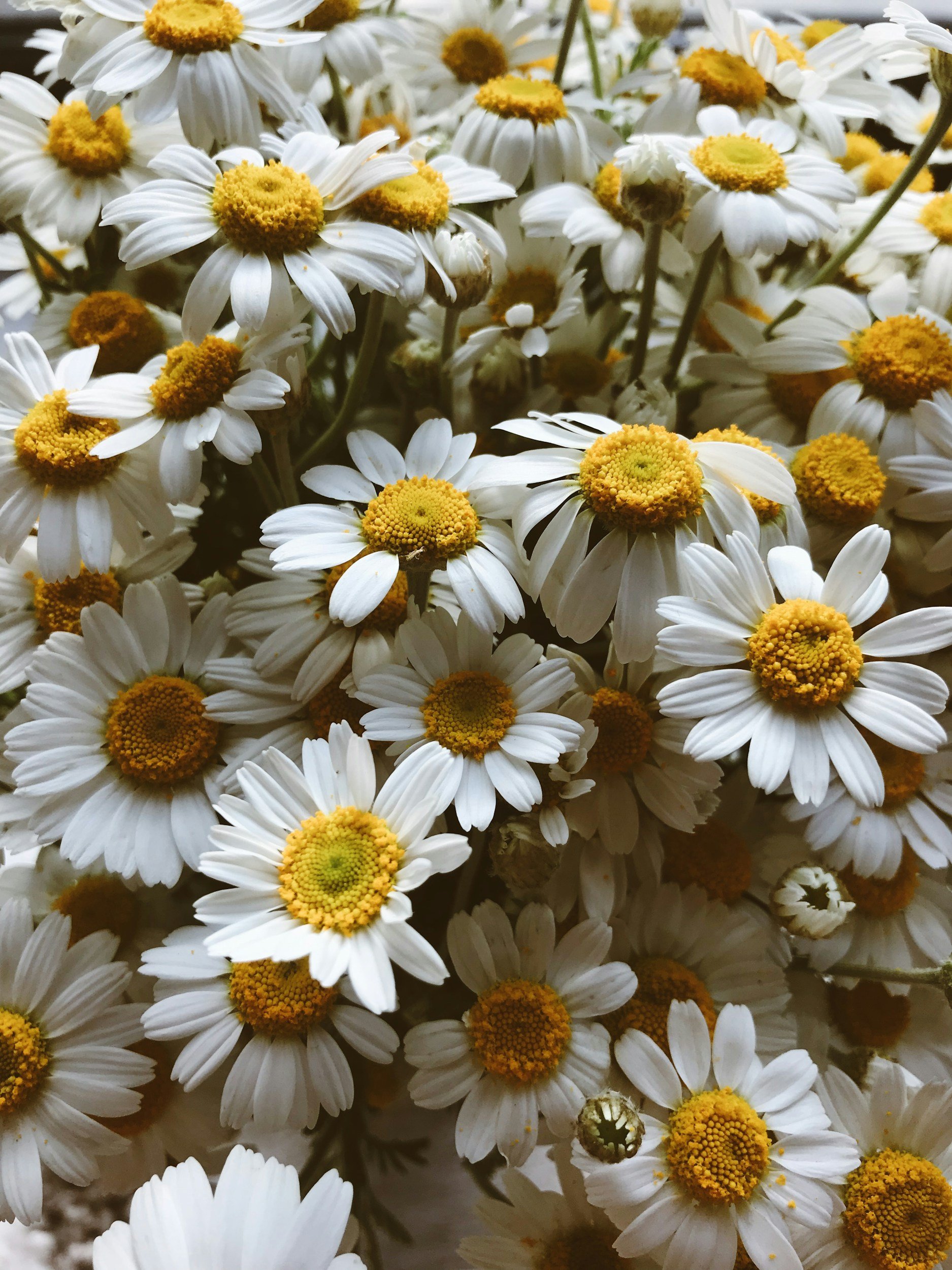
Chamomile is one of the most time-honored herbs in botanical skincare. Gentle, comforting, and deeply calming, it has been used for centuries to support sensitive skin and create a sense of ease for both the body and mind.
Rich in flavonoids and antioxidant compounds, chamomile is often chosen when the skin feels reactive, dry, or in need of a softer approach.
Best For
Sensitive skin
Dry or dehydrated skin
Temporary redness
Mature skin
Skin that feels stressed or overworked
Barrier support
Why Skin Loves Chamomile
Chamomile flowers contain naturally occurring flavonoids, terpenoids, and antioxidant compounds that contribute to their soothing reputation.
Among these compounds is apigenin, a plant flavonoid widely studied for its antioxidant activity. Chamomile also contains compounds such as bisabolol and chamazulene, which are associated with the calming properties that have made chamomile a staple in herbal skincare.
Rather than aggressively treating the skin, chamomile works by creating comfort and supporting balance.
Naturally Rich In
Apigenin – a flavonoid with antioxidant properties.
Bisabolol – a naturally occurring constituent associated with soothing benefits.
Chamazulene – a blue-colored compound formed during distillation that contributes to chamomile's calming reputation.
Polyphenols – protective plant compounds that help defend against oxidative stress.
Skin Barrier + pH Notes
Healthy skin maintains a slightly acidic surface called the acid mantle, which helps support barrier integrity and microbial balance.
Chamomile is considered exceptionally skin-friendly because it provides support without excessive exfoliation or disruption. This makes it a favorite for formulas designed to nourish the skin barrier and maintain comfort.
Chamomile pairs especially well with oat, calendula, marshmallow root, and rose for treatments focused on hydration and sensitivity.
Botanical Actions
Comforting
Chamomile is traditionally used to calm skin that appears temporarily red, reactive, or stressed.
Antioxidant Support
Its naturally occurring flavonoids help protect the skin from environmental stressors.
Barrier Support
Chamomile supports formulas designed to replenish and comfort dry or delicate skin.
Sensory Wellbeing
Long associated with relaxation, chamomile brings a feeling of calm to skincare rituals and evening routines.
Traditional Uses
Chamomile has been used throughout European, Egyptian, and Ayurvedic traditions for thousands of years. Historically, it was incorporated into baths, herbal compresses, infused oils, and floral waters to soothe both the skin and the spirit.
Today, chamomile remains one of the most widely respected herbs in both herbalism and esthetics.
How to Use
Chamomile can be used as:
A facial steam herb
A powdered mask ingredient
A soothing compress
An infused oil
A hydrosol
A bath botanical
Mix with hydrosol, honey, yogurt, clay, or oat for a gentle treatment.
Pairs Well With
✿ Oat — for softness and barrier care
✿ Calendula — for sensitive skin support
✿ Rose — for hydration and comfort
✿ Lavender — for calming rituals
✿ Marshmallow Root — for added moisture and slip
Esthetician Note
Chamomile is one of the herbs I return to most often because nearly every skin type benefits from gentleness. When in doubt, simplifying a formula and adding chamomile is often more supportive than adding another active ingredient.
Caution
Individuals with allergies to plants in the Asteraceae family (ragweed, daisies, chrysanthemums, marigolds) should patch test before use.
Botanical Name
Matricaria chamomilla (German Chamomile)
Plant Part Used
Flower
Energetics
Cooling • Comforting • Relaxing
Aroma
Sweet • Herbaceous • Apple-Like
Found In
Bloom Floral Mist ✿
Earth Cleanse ✿
Chamomile Treatment Herb ✿
Field Note
"Chamomile reminds us that the skin often responds best when we stop trying to fight it and begin supporting it instead." ✿
Did You Know?
The name chamomile comes from the Greek words khamai ("on the ground") and melon ("apple"), referring to the herb's low-growing habit and its naturally sweet, apple-like scent. This fragrance is one reason chamomile has been treasured in beauty rituals for centuries.